Read the Radiators Before You Read the Contract: A Renter's Guide to Heating and Ventilation in London Properties

Photo: epSos.de, CC BY 2.0, via Wikimedia Commons
London's rental market moves quickly. Viewings are rushed, competition is fierce, and prospective tenants often feel pressure to decide on the spot. In that environment, it is easy to be dazzled by a fresh coat of paint while overlooking the systems that will determine whether the property is actually comfortable to live in.
Heating and ventilation deserve far more attention than they typically receive. A poorly maintained boiler, inadequate airflow, or a history of damp can turn an apparently charming flat into an expensive, unhealthy ordeal. The good news is that most warning signs are visible to anyone who knows where to look.
Start with the Boiler — and Ask Its Age
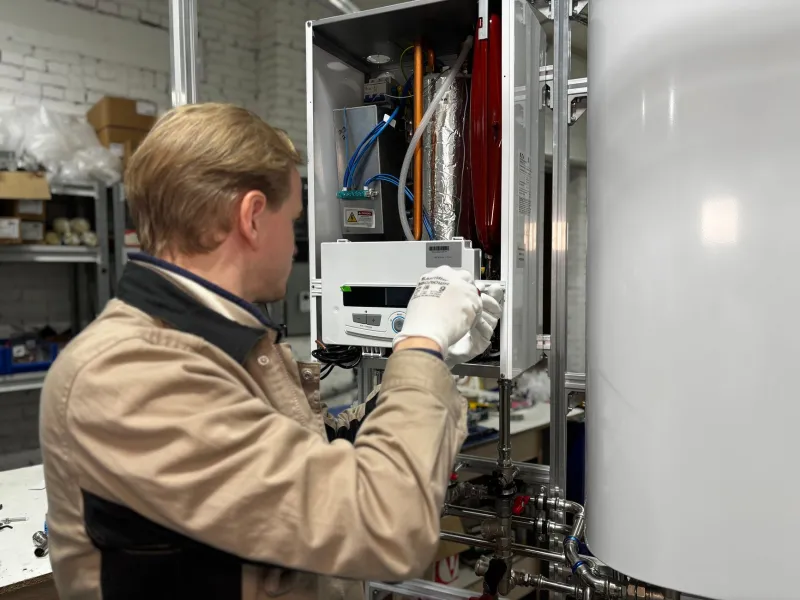
A boiler is the single most expensive climate asset in most London homes, and its age tells you a great deal. Modern condensing boilers typically have a working life of ten to fifteen years. If the unit in the property is visibly older — a chunky, outdated casing is often a giveaway — ask directly when it was installed and whether replacement is planned.
Equally important is the service history. Landlords in England are legally required to arrange an annual gas safety check and provide tenants with a copy of the record, known as a CP12 certificate. A current certificate is the legal minimum, but a full service log tells a richer story. A boiler that has been professionally maintained year after year is far less likely to fail in the middle of January.
Run the Taps, Test the Heat
Wherever possible, ask to see the heating and hot water in operation. Turn on a hot tap and note how quickly water reaches temperature. Switch on the central heating and place a hand on each radiator. Cold patches at the top of a radiator usually indicate trapped air; cold spots at the bottom can suggest a sludge build-up — a common problem in London's hard-water areas, where limescale and corrosion accumulate inside the system over time.
Neither issue is necessarily disqualifying, but both are leverage. A landlord who is unwilling to address basic system maintenance before a tenancy begins is unlikely to be responsive once you are locked into a contract.
Follow the Signs of Damp and Poor Ventilation
Damp is arguably the most under-assessed hazard in London's rental stock. Victorian and Edwardian conversions — the backbone of the city's rental supply — are particularly vulnerable, with solid walls, ageing damp courses, and bathrooms squeezed into rooms never designed to hold them.
Look for the evidence:
- Tide marks or peeling paint low on walls, particularly in bedrooms and behind furniture
- A musty smell, which persists even in freshly cleaned properties
- Mould around window reveals or on ceilings near bathrooms
- Windows with no trickle vents or bathrooms and kitchens lacking extractor fans
Condensation mould is sometimes dismissed as a "lifestyle issue" caused by tenant behaviour, but persistent damp in a well-ventilated home usually points to a structural or ventilation deficit. Ask how the property is ventilated and whether any damp issues have been professionally assessed.
Questions Worth Asking Before You Sign
A short list of direct questions can reveal more than any viewing:
- When was the boiler last serviced, and can you see the CP12 certificate?
- What is the Energy Performance Certificate rating, and are any improvements planned?
- Has the property ever had damp or mould, and what was done about it?
- Who is responsible for servicing, and how quickly are heating faults typically repaired?
- Is the heating system zoned or controlled by a single thermostat — and is that thermostat in a sensible location?
The EPC question matters more than many renters realise. Since 2020, landlords have been required to achieve a minimum rating of E, and proposals to raise the bar have kept energy efficiency firmly on the policy agenda. A property with single glazing, no insulation, and electric panel heaters will be expensive to heat whatever the tariff.
Why This Matters for Landlords Too
This checklist is not adversarial. Landlords who invest in modern, well-maintained heating and ventilation systems benefit from longer tenancies, fewer emergency call-outs, stronger compliance records, and properties that command premium rents. In a market where tenants are increasingly informed, a recent boiler installation and a documented maintenance history are genuine selling points.
An Informed Tenant Is a Protected Tenant
Climate control is not a luxury in a city where winters are damp, summers are warming, and much of the housing stock predates central heating altogether. Treating a property's heating and ventilation as a core part of your tenancy decision — alongside rent, transport, and space — is simply prudent.
If you are a renter who has moved into a property with an underperforming system, or a landlord preparing a unit for the lettings market, a professional assessment of the heating and ventilation can save considerable cost and discomfort down the line. At London Nitro Heating & Cooling, we work with both tenants and landlords across the capital to ensure that the systems behind the walls are as sound as the view from the windows.