London's Rooftop Relics: What Decades of Abandoned Plant Equipment Reveal About the Capital's Climate Habits
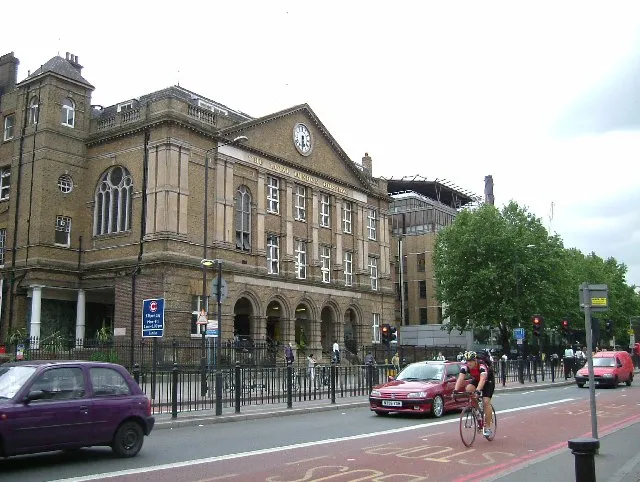
Photo: Glyn Baker, CC BY-SA 2.0, via Wikimedia Commons
From the upper floors of a Shard office or the top deck of a Number 11 bus, London's rooflines tell a story few residents ever think to read. Wedged between chimney pots and satellite dishes sits an accumulation of metal boxes, fan housings, condenser units and flue terminals — some gleaming and current, others rusted into obsolescence decades ago. It is, in effect, an open-air museum of the capital's climate control history, and like many museums, it houses items that should long ago have been removed.
A Stratigraphy of Steel
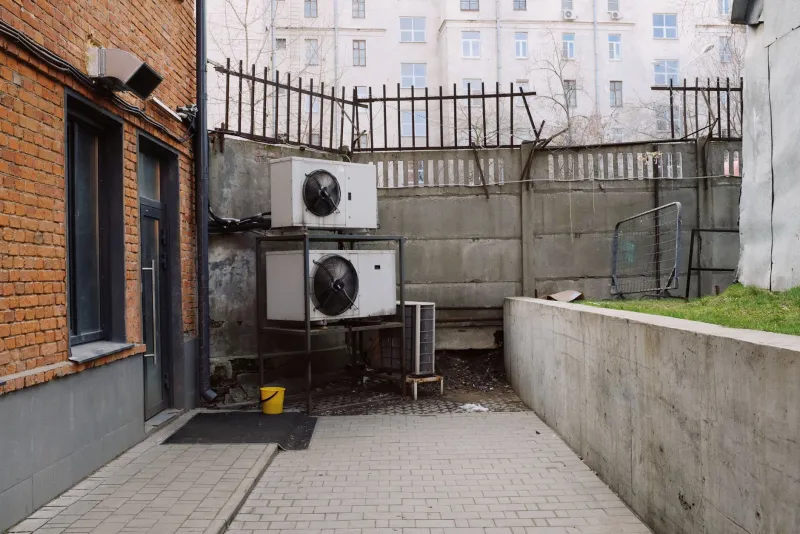
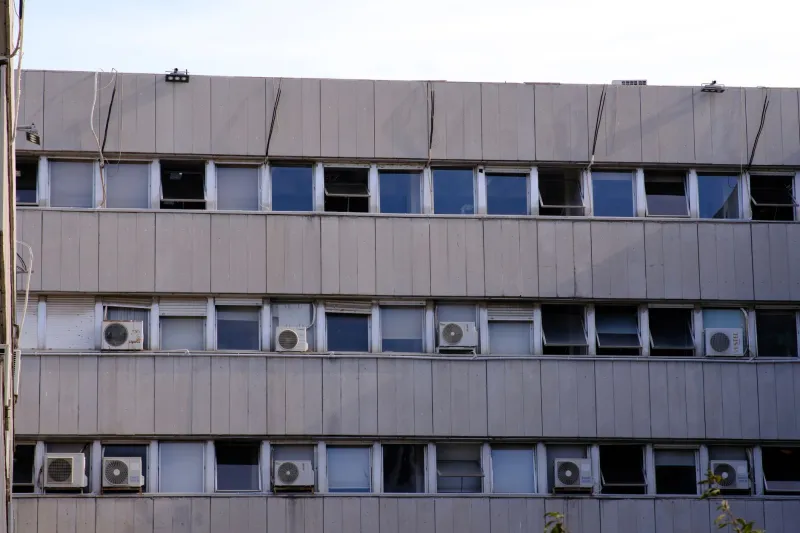
Look closely at a typical commercial rooftop in Camden or Croydon and you can date the strata. The heaviest, most corroded units — often squat extract fans cased in riveted steel — tend to date from the 1970s and 1980s, when ventilation was treated as an afterthought bolted on at the end of a fit-out. Above them sit the air conditioning condensers of the 1990s and 2000s, products of the office cooling boom. And increasingly, the newest arrivals: air source heat pumps and modern VRF systems, compact and comparatively discreet.
The problem is that nothing leaves. Rooftop equipment is expensive to remove, requires crane hire or abseiling teams, and generates no immediate return — so defunct plant is simply abandoned in place. A unit that stopped working in 2008 may still be bolted to its frame today, its refrigerant charge potentially still sealed inside.
The Weight of Neglect
This is not merely an aesthetic issue. Structural engineers regularly flag concerns about cumulative rooftop loading, particularly on older buildings never designed to carry modern plant. A single abandoned condenser might weigh a few hundred kilograms; a rooftop scattered with three decades of decommissioned equipment can add tonnes of dead load to a structure that was, in some cases, built before the Second World War.
There are safety dimensions too. Corroded mounting brackets, degraded anti-vibration mounts and unlabeled pipework create genuine hazards for anyone undertaking maintenance — and for pedestrians below during high winds. Abandoned refrigerant circuits pose an environmental liability, particularly where older units contain R22, a hydrofluorocarbon now illegal to top up in the UK.
What Responsible Decommissioning Looks Like
A properly managed rooftop should be treated like a managed portfolio, not a dumping ground. That means:
- Full plant audits — a documented inventory of every unit, its age, refrigerant type and operational status
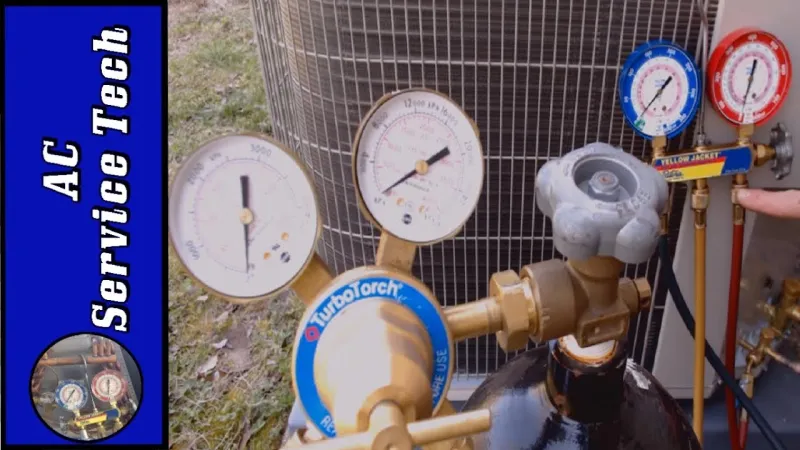
- Safe refrigerant recovery — certified removal of any remaining charge before a unit is scrapped
- Structural review — confirmation that remaining plant sits within the building's designed load limits
- Planned replacement cycles — retiring equipment on a schedule rather than waiting for failure
At London Nitro Heating & Cooling, we encounter these aerial graveyards regularly, and the pattern is consistent: buildings that audit and decommission systematically enjoy lower maintenance costs, safer access and better energy performance than those that simply accumulate.
Clearing the Air Above the City
As London pushes toward net zero and heat pump adoption accelerates, rooftop space will become an increasingly valuable commodity. Every square metre occupied by a derelict 1990s condenser is space that cannot host efficient modern plant or solar infrastructure. The rooftop shuffle — out with the redundant, in with the efficient — is one of the quietest but most consequential steps a building owner can take.
The capital's rooflines have always recorded its history. It is time more of them started recording its future.