The Case for Nitrogen Purging: Why London's HVAC Industry Must Stop Treating It as Optional

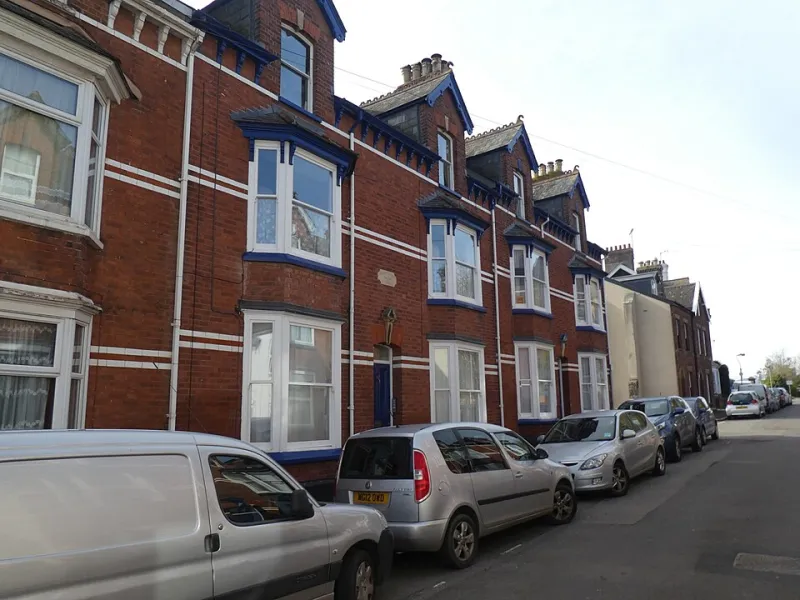
Photo: 176th Wing Alaska Air National Guard from Anchorage, Alaska, United States, CC BY 2.0, via Wikimedia Commons
There is a moment during every HVAC installation that separates a system built to last from one destined to disappoint. It is not the moment the unit is mounted, nor when the thermostat is programmed. It occurs when the engineer makes a decision — often under time or cost pressure — about whether to purge the refrigerant pipework with nitrogen before brazing and commissioning. That single decision carries consequences that will echo through the system's entire operational life.
Across London's residential and commercial properties, nitrogen purging is still treated by many installers as an optional refinement rather than a foundational requirement. The result is a quiet epidemic of premature component failure, contaminated refrigerant circuits, and energy inefficiency that homeowners and building managers rarely trace back to its true origin.
What Nitrogen Purging Actually Does
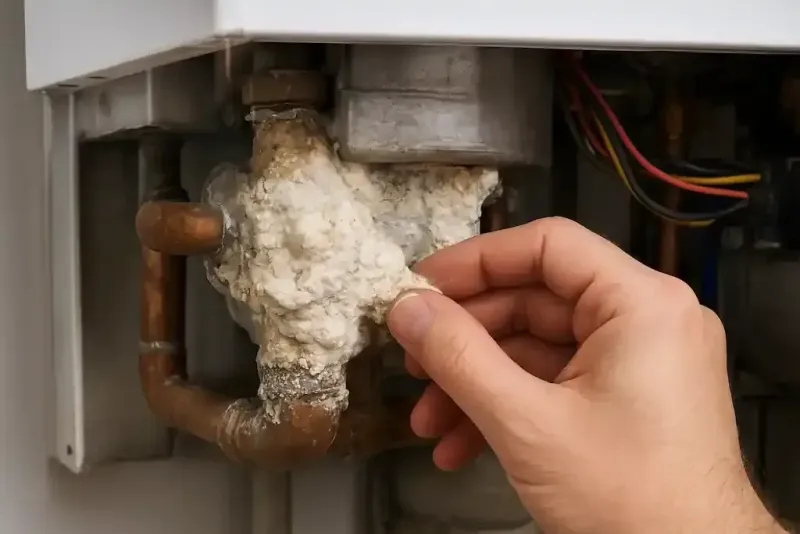
To understand why nitrogen purging matters, it helps to understand what happens inside copper pipework when it is heated during the brazing process without an inert gas flowing through it. Copper oxidises when exposed to air at high temperatures. The oxidation produces a fine, flaky residue — copper oxide — that coats the interior walls of the pipe and, critically, enters the refrigerant circuit.
Once inside the system, these particles circulate continuously. They accumulate in the compressor, clog the expansion valve, and degrade the lubricating oil that keeps moving components functioning. The compressor — typically the most expensive single component in any HVAC system — is particularly vulnerable. What begins as microscopic contamination gradually becomes mechanical wear, reduced efficiency, and eventually, total failure.
Nitrogen purging eliminates this risk entirely. By flowing dry nitrogen gas through the pipework during brazing, engineers displace the oxygen that would otherwise cause oxidation. The inert atmosphere prevents the formation of copper oxide at the source, ensuring the refrigerant circuit remains clean from the very first charge.
Beyond oxidation, nitrogen purging also guards against moisture ingress. London's climate is persistently damp, and open pipework — even briefly exposed during installation — can absorb atmospheric moisture. Moisture in a refrigerant circuit is corrosive, acidic when it reacts with certain refrigerants, and capable of freezing at the expansion valve, causing immediate operational failure. A properly executed nitrogen purge, combined with appropriate evacuation procedures, removes this threat before the system ever runs.
Why Installers Cut Corners
If nitrogen purging is so clearly beneficial, why does it remain inconsistently applied across the industry? The honest answer involves a combination of cost, time, and the absence of visible consequences in the short term.
Nitrogen purging requires additional equipment, additional time on site, and a working knowledge of correct flow rates and pressures. For installers competing on price in a market as crowded as London's, these incremental costs can feel like a competitive disadvantage. The troubling reality is that a system installed without nitrogen purging will often appear to function perfectly well for the first year or two. The contamination works slowly. By the time the compressor begins to fail or the expansion valve shows signs of blockage, the original installer is long gone and the client has no way of connecting their current problems to a decision made during commissioning.
This creates a perverse incentive structure. Corners cut during installation are rarely attributed to the installer. The client simply experiences what appears to be bad luck — a system that needed an expensive repair or a component replacement well within what should have been its operational lifespan.
The London Context
London's built environment adds further complexity to this picture. The city's housing stock is diverse and often challenging — Victorian terraces with limited access, modern high-rises with lengthy refrigerant pipe runs, and heritage buildings where installation must be conducted with particular care. Longer pipe runs increase the surface area exposed to potential oxidation and moisture ingress. In these conditions, the argument for nitrogen purging becomes even more compelling.
Commercial properties face their own pressures. A restaurant, hotel, or office building in central London cannot afford the disruption of an HVAC failure caused by contamination that should have been prevented at installation. The cost of downtime, emergency call-outs, and component replacement in a commercial context dwarfs the relatively modest investment of doing the job correctly in the first place.
London's water quality compounds the issue further. Hard water and the city's variable atmospheric conditions mean that any moisture that does enter a system is likely to carry dissolved minerals and particulates that accelerate internal degradation. Nitrogen purging is not merely best practice in this environment — it is a direct response to the specific conditions London engineers encounter.
Recognising Quality at the Point of Installation
For property owners and facilities managers commissioning new HVAC systems, nitrogen purging provides a useful litmus test for the quality of an installer. Any engineer who dismisses the process as unnecessary, or who cannot clearly explain how and when they apply it, should prompt serious scrutiny.
The questions worth asking are straightforward: Will nitrogen be flowed continuously through the pipework during brazing? What pressure and flow rate will be maintained? How will the system be evacuated after purging and before refrigerant charge? A competent, conscientious installer will answer these questions without hesitation. An installer who has been cutting corners will struggle to do so.
Documentation matters too. A thorough commissioning record should note that nitrogen purging was carried out, alongside evacuation readings and refrigerant charge weights. This paperwork is not bureaucratic formality — it is evidence of due diligence that protects both the client and the installer in the event of a future dispute.
The Long-Term Arithmetic
The financial case for nitrogen purging is, ultimately, straightforward. A compressor replacement on a mid-range residential system in London typically costs between £800 and £1,500, excluding labour and any associated damage to other components. An expansion valve replacement adds further expense. Multiply these figures across a commercial installation with multiple units, and the numbers become significant very quickly.
Against this, the cost of nitrogen purging during installation is modest — a matter of time, gas, and the discipline to follow correct procedures. The return on that investment is not merely financial. It is a system that performs as specified, consumes energy efficiently, and delivers the operational lifespan the client was promised when they signed the installation contract.
At London Nitro Heating & Cooling, nitrogen purging is not an upsell or an optional extra. It is a standard element of every installation we undertake, because we are unwilling to commission a system that carries preventable contamination from its first day of operation. The name on the door is not incidental — it reflects a genuine commitment to the processes that determine whether a system thrives or deteriorates.
London's properties deserve better than an industry habit of cutting corners on steps that cannot be seen. Nitrogen purging is invisible at installation. Its absence, however, becomes very visible indeed over time.