Preserving the Past, Controlling the Future: HVAC Solutions for London's Listed Properties
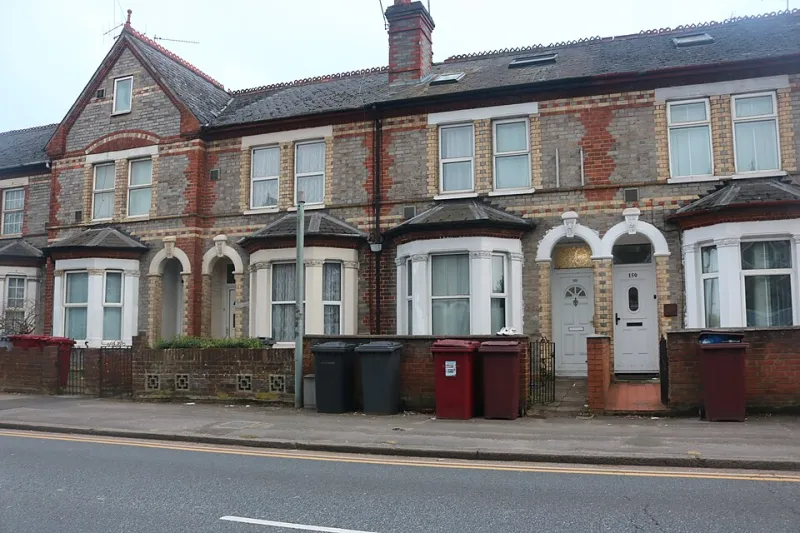
Photo: David Howard , CC BY-SA 2.0, via Wikimedia Commons
London's architectural heritage is, by any measure, extraordinary. From the stucco-fronted Georgian townhouses of Belgravia to the ornate Victorian terraces of Islington and the Edwardian mansion blocks of Kensington, the capital's residential fabric tells centuries of social and cultural history. Yet for the owners of these magnificent properties, maintaining comfortable indoor temperatures in an era of climate extremes presents a formidable challenge — one that standard heating and cooling contractors are rarely equipped to meet.
Grade II listed status, which covers the vast majority of England's listed buildings, exists to protect structures of special interest. That protection, however, does not extend to excusing residents from the very real discomfort of draughty winters and sweltering summers. The question facing heritage homeowners is not whether to modernise their climate control, but how to do so without falling foul of planning regulations or — worse — causing irreversible damage to irreplaceable fabric.
What Makes a Listed Property Different?
At its most fundamental level, a listed building designation means that any works affecting its character must receive prior consent from the local planning authority. This applies not only to obvious interventions such as new windows or extensions, but frequently to internal works as well. Cutting through original plasterwork to run refrigerant pipework, fixing external condenser units to a period façade, or installing underfloor heating beneath Victorian encaustic tiles — all of these actions can trigger a listed building consent application.
The implications for HVAC installation are significant. A contractor unfamiliar with heritage constraints may propose solutions that are entirely appropriate for a new-build property but wholly unsuitable for a listed one. Recommending a wall-mounted split system on an exposed Georgian elevation, for instance, would almost certainly be refused consent. Similarly, drilling through load-bearing masonry without structural assessment carries risks that extend well beyond the cosmetic.
There is also the matter of the building's existing fabric. Original sash windows, though beautiful, are notoriously poor insulators. Stone and brick walls of pre-twentieth-century construction frequently lack cavity insulation. These thermal characteristics mean that a heating or cooling system specified for a modern, well-insulated property will be undersized and inefficient when deployed in a period home. Accurate heat loss calculations, tailored to the specific construction of each building, are a non-negotiable starting point.
Common Challenges in Period Property Retrofits
Through our work across Central and Greater London, several recurring challenges present themselves when retrofitting climate control into listed properties.
Concealment of pipework and ductwork is perhaps the most persistent difficulty. Modern HVAC systems require refrigerant lines, condensate drainage, and — in the case of ducted systems — substantial air distribution channels. In a property where original cornicing, dado rails, and decorative plasterwork must be preserved, routing these services invisibly demands both creativity and precision. Shallow-profile ducting, discreet ceiling void installations, and the careful use of existing service routes such as chimney breasts and cupboard spaces all form part of the specialist's toolkit.
External unit placement presents another significant hurdle. Air source heat pumps and split-system condensers require outdoor units, yet these cannot simply be bolted to a listed façade or placed on a visible flat roof without consent. In many cases, solutions involve locating units within courtyard gardens, within purpose-built enclosures, or — where the geometry of the property allows — at basement level. Each scenario demands early engagement with the local conservation officer, ideally before any design work is finalised.
Humidity management is a concern that is often overlooked in domestic contexts but carries particular importance in listed buildings. Fluctuating humidity levels can cause timber to expand and contract, accelerate the deterioration of historic lime plasterwork, and encourage mould growth behind panelling and beneath floorboards. A properly specified climate control system should incorporate humidity monitoring and, where necessary, active humidification or dehumidification to maintain stable conditions year-round.
A Case Study: A Victorian Terrace in Hackney
One illustrative example from our portfolio involves a mid-Victorian terraced house in Hackney, Grade II listed and occupied by a family seeking both reliable heating and summer cooling. The property retained its original cast iron fireplaces, decorative cornicing, and pitch pine floorboards — all features that required careful protection throughout the installation process.
After consultation with the London Borough of Hackney's conservation team, we designed a system centred on a high-efficiency air source heat pump located discreetly within the rear garden, connected to a series of low-profile fan coil units positioned within original chimney breast alcoves. Pipework was routed through existing service voids and within the depth of a refurbished bathroom, avoiding any interference with period plasterwork. The result was a system capable of delivering both warmth in winter and cooling in summer, with listed building consent secured and the property's character entirely intact.
Why Specialist Knowledge Matters
The distinction between a general HVAC contractor and a specialist in heritage properties is not merely a question of technical competence. It encompasses familiarity with the planning framework, an understanding of traditional construction methods, and the ability to communicate effectively with conservation officers, structural engineers, and architectural historians who may all have a role in approving proposed works.
At London Nitro Heating & Cooling, we approach every listed property project as a collaboration between engineering rigour and heritage sensitivity. Our surveyors assess each building individually, producing detailed heat loss calculations and system designs that respect both the occupants' comfort requirements and the constraints imposed by the building's protected status.
For homeowners in London's period properties, the message is clear: modern comfort and historic integrity are not mutually exclusive. With the right expertise, it is entirely possible to enjoy a warm home in January and a cool one in August, without compromising a single cornice.
Taking the Next Step
If you own or manage a listed property in London and are considering upgrading your heating or cooling provision, we strongly recommend seeking specialist advice before approaching your local planning authority. Early-stage consultation can identify the most viable solutions and avoid costly abortive work further down the line.
Contact London Nitro Heating & Cooling to arrange a heritage property assessment. Our team is experienced in working across London's diverse conservation areas, from the Royal Borough of Kensington and Chelsea to the historic streets of Greenwich and beyond.